Places in the forest
Giant trees, forest tracts and bogs, rivers and reservoirs, traces of history and visitor attractions of Białowieża Forest - what to see in the forest.
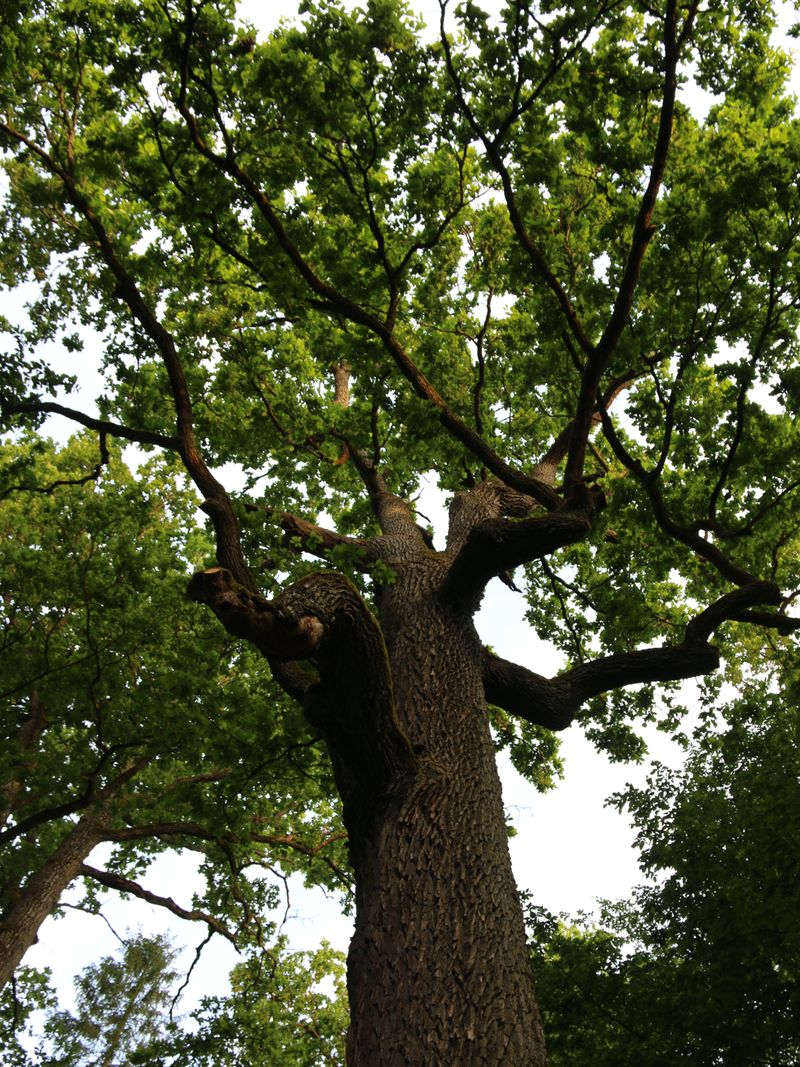
Here are the places in the forest worth knowing about: oaks and pines several centuries old, forest tracts and bogs, rivers and reservoirs, traces of history - the Tsar's Road, the narrow-gauge railway, the border post - and visitor attractions: the Museum of Nature, the wildlife enclosures and Father Frost's Estate. Many of them are stops on the tourist trails; each place's page shows which routes pass it.
Giant trees
-
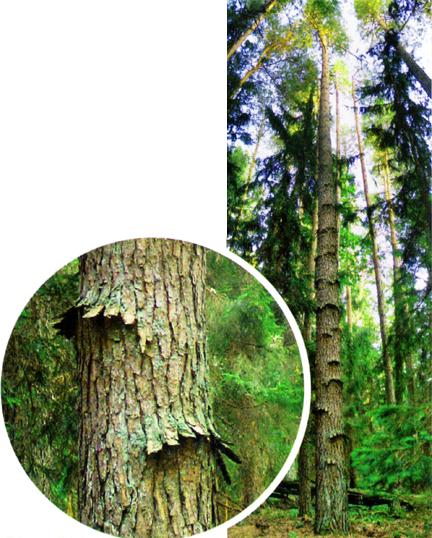 "Collar" pines
Two pines with "collars" of raised bark on the Protected Oak Wood trail - a rare phenomenon that scientists have not yet explained.
-
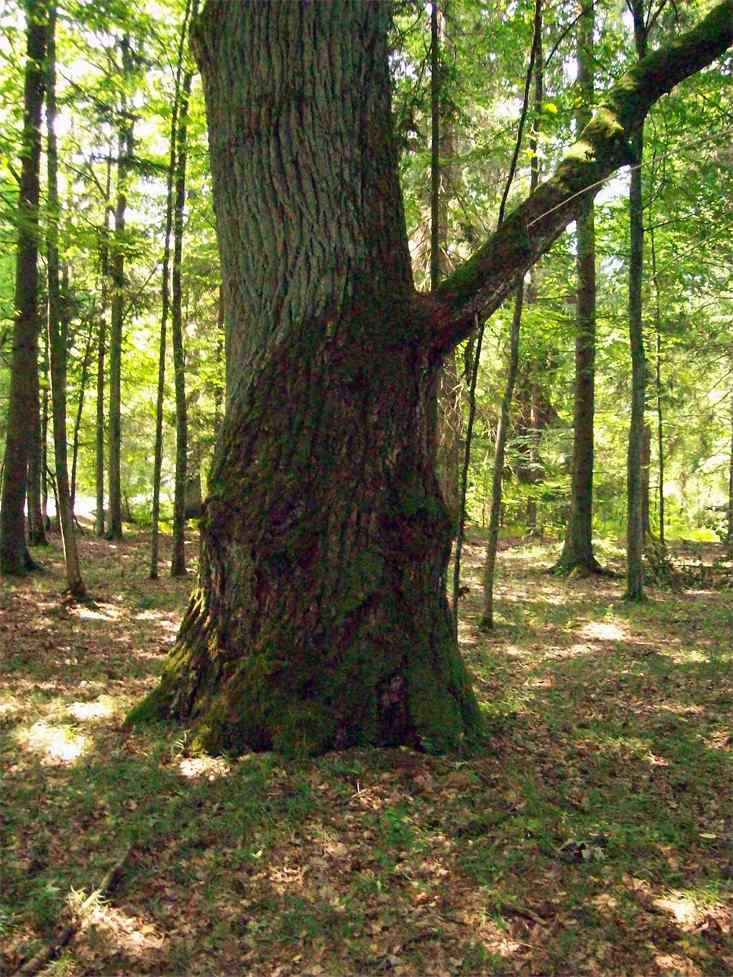 Ancient oak wood
A broadleaf wood with oaks 200-400 years old on brown forest soils - the "golden reserve" of the forest on the cycling routes.
-
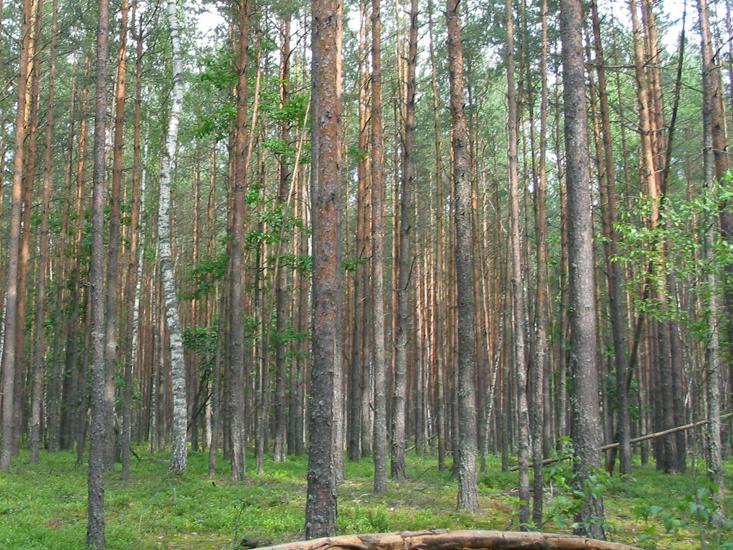 Ancient pine forest
An old pine forest almost 200 years old that grew back by itself after the great fire of 1811. In Belarus such stands exist only in this forest.
-
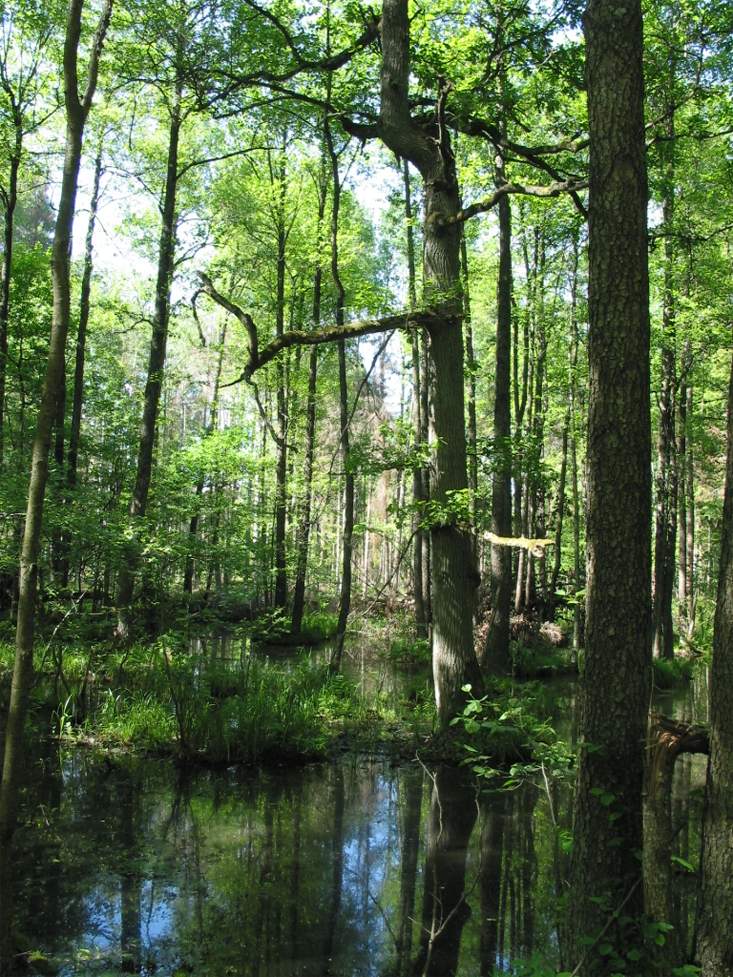 Black alder wood
Alder carr - black alder woods in damp hollows, the forest type least disturbed by people and a refuge for animals and birds.
-
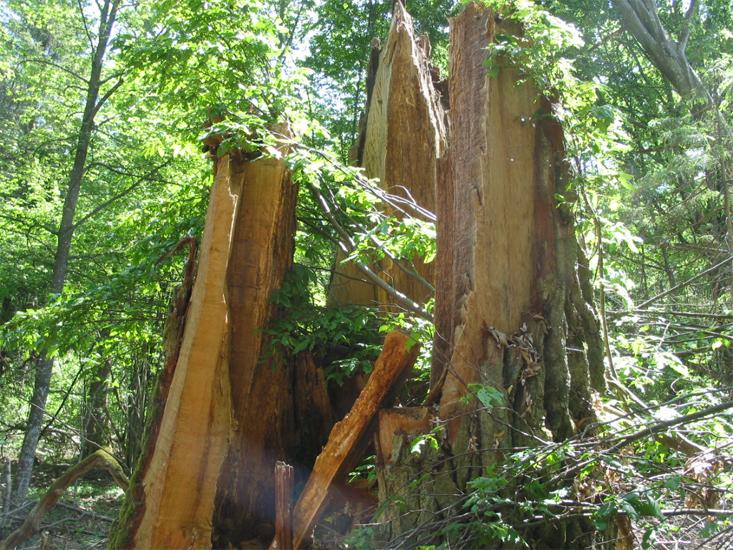 Giant oaks
A group of oaks 250-280 years old with trunks thicker than a metre on the Forest Secrets route: what counts as a giant tree in the forest.
-
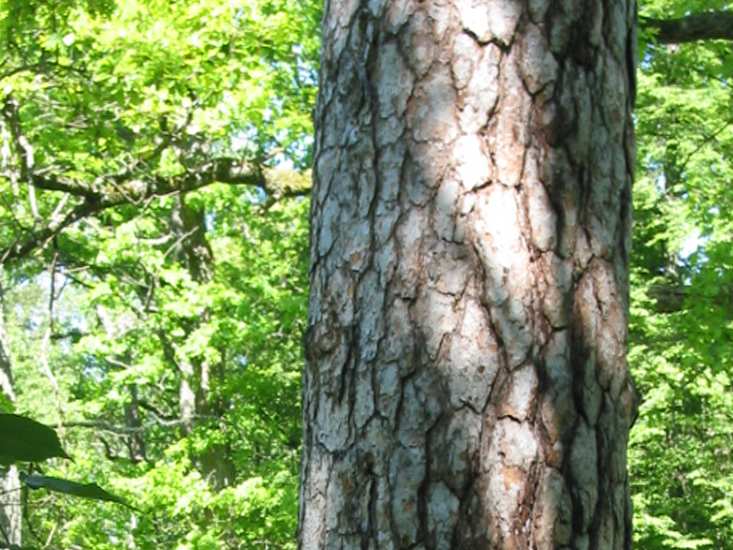 Giant pines
Two huge pines over 250 years old with trunks about a metre thick by the road of the Animal Crossing route: pines found nowhere else in Belarus.
-
 Hornbeam Hill
A rise 192 metres above sea level on the Protected Oak Wood trail: fertile soil on the top, hornbeams and the rare sessile oak.
-
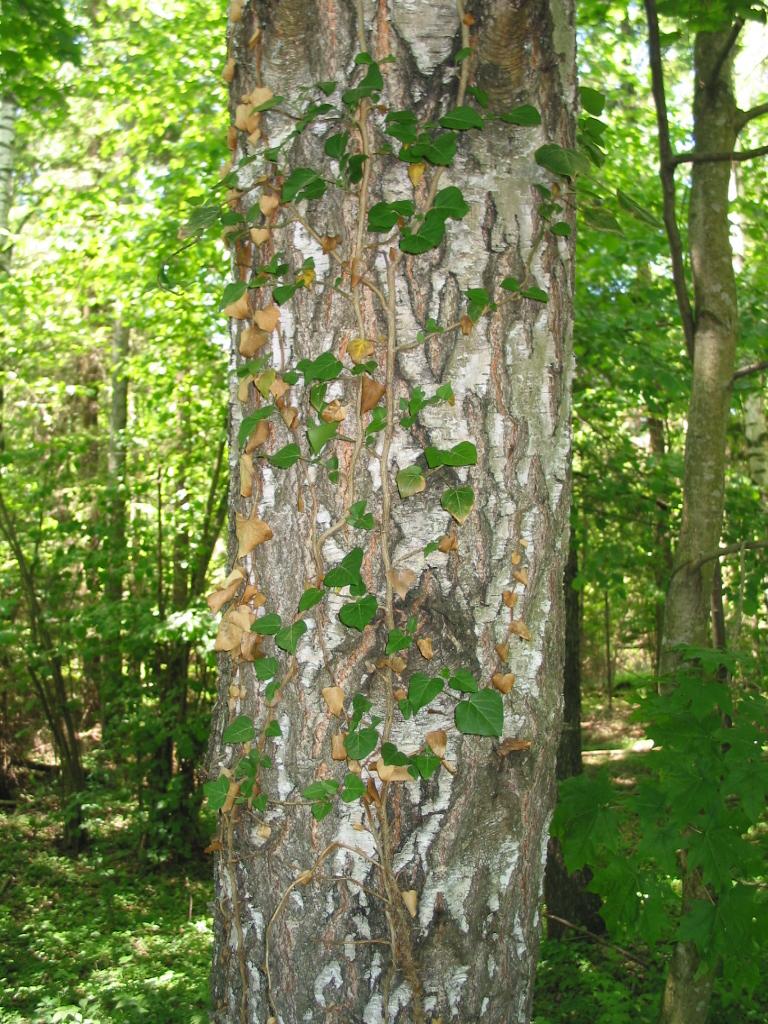 Ivy
Common ivy on a birch trunk - an evergreen climber and a rare relict species in Belarus. Shown on the bus tour.
-
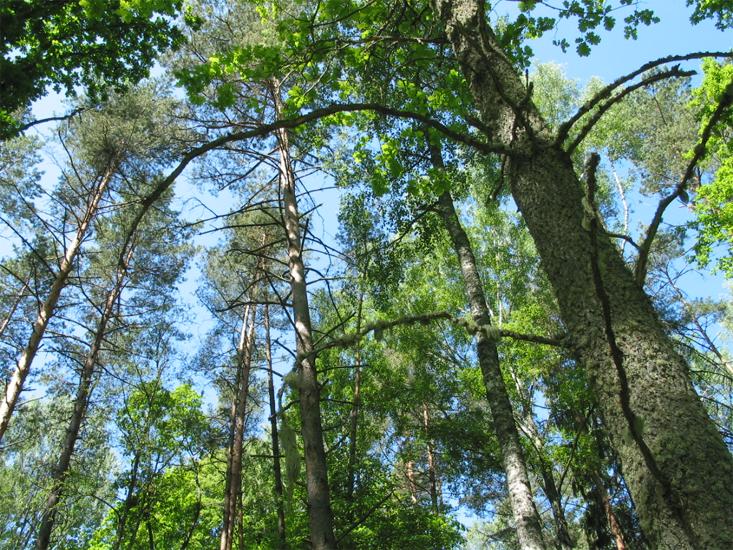 New forest on old fellings
Young forest on the clear-cuts of the First World War and the 1920s: how the forest heals its wounds. On the Great Journey and Forest Secrets routes.
- Oak and birch An oak and a birch grown together by the road of the bus tour - a rare "friendship" of two different trees in Białowieża Forest.
-
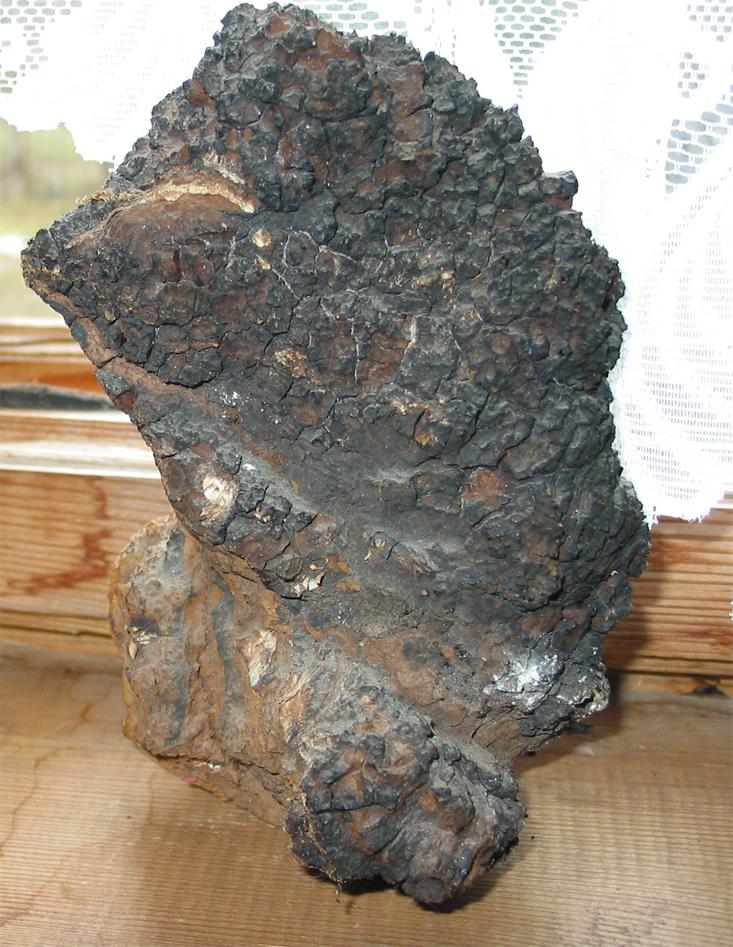 Oak with a burl
An oak with a large burl on the Animal Crossing route: in this forest burls survive because trees are not felled.
-
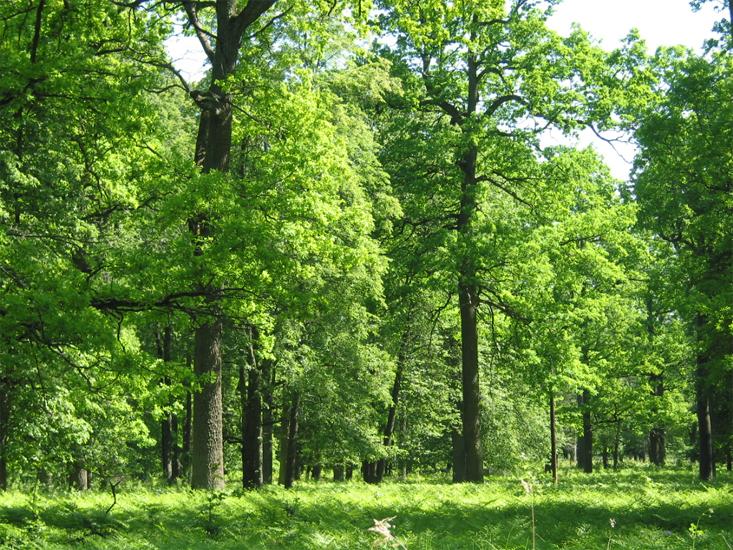 Oaks of the 1930s
Oaks planted by Polish foresters in the 1930s on the site of clear-cuts, on the Tsar's Glade route.
- Pine with root "paws" A pine 38 metres tall and more than 300 years old, with mighty root "paws" - a stop on the Animal Crossing route.
-
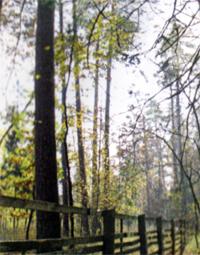 Plot with planted trees
A plot where seedlings were planted after the spruce wood died in 2002, part of it fenced: an experiment showing how deer stop a forest from growing.
-
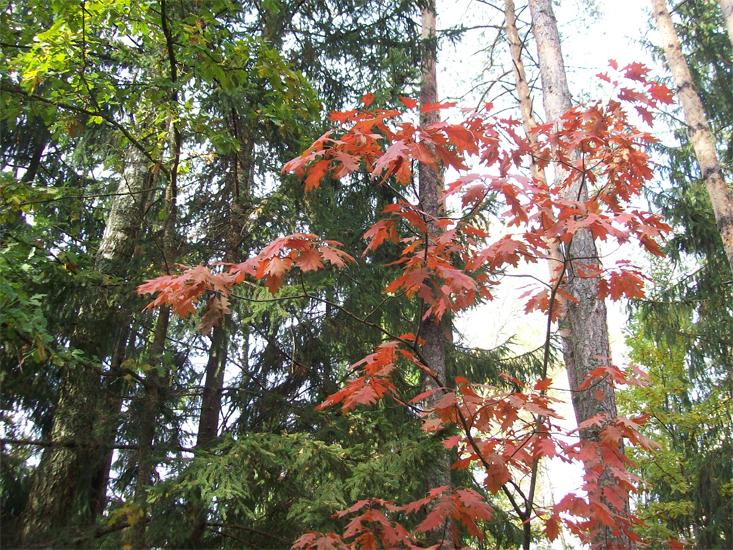 Red oak
The North American red oak, brought to the forest in the 1920s-30s: a beautiful autumn tree and a dangerous invasive species. The first stop on three routes.
-
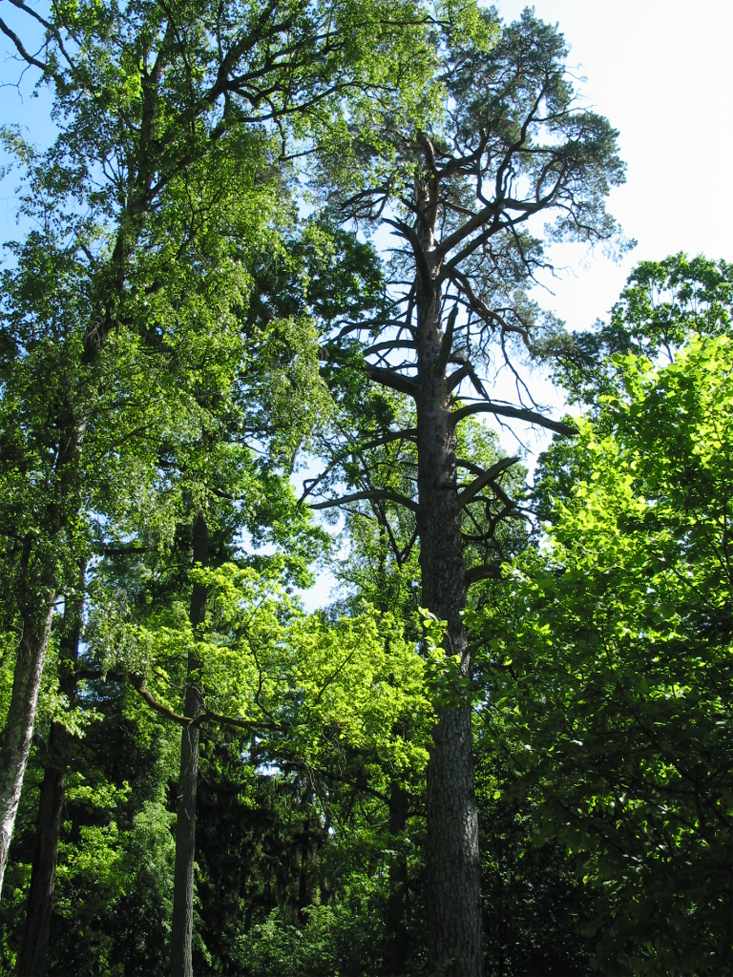 The 350-year-old Empress Pine
A pine about 350 years old, 30.5 metres tall with a trunk 1.25 metres thick - a stop on the bus tour of the forest.
-
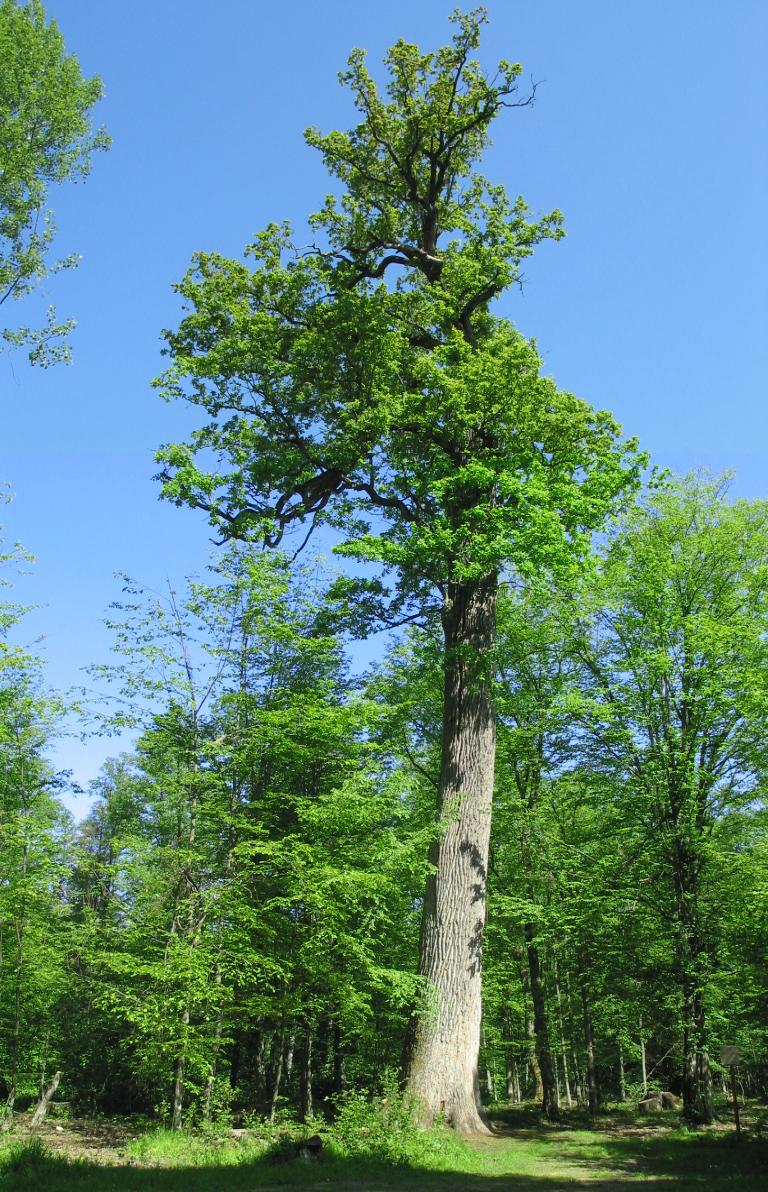 The 600-year-old giant oak
One of the oldest oaks in the forest: about 600 years old, over 30 metres tall, with a trunk about two metres across. A stop on the bus tour.
-
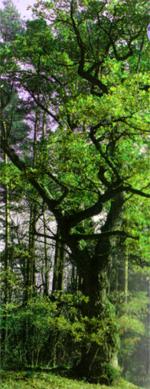 The Hermit Oak
A gnarled oak about 300 years old at the edge of a former bog: a 1.5-metre trunk and a hollow full of carpenter ants. A stop on three cycling routes.
-
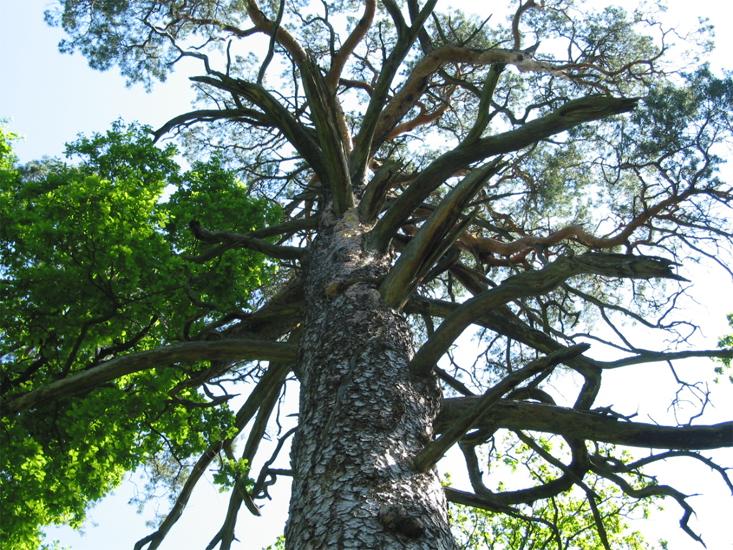 The Long-lived Pine
One of the thickest pines in the forest: a 125 cm trunk, about 350 years old, and only 5 cm thicker after 60 years. On the Great Journey route.
-
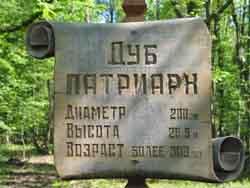 The Patriarch Oak
The largest oak in the south of the forest: over 550 years old, 31 metres tall, with a trunk two metres across. On the Great Journey route.
-
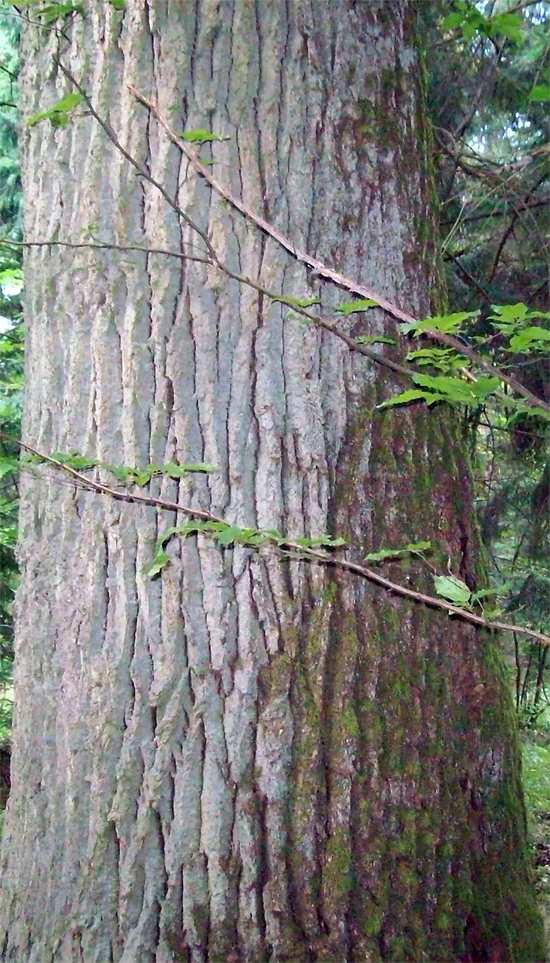 The Witness Oak
An oak over 300 years old on a rise in the middle of boggy forest, with a trunk about 1.3 metres thick. A stop on the Animal Crossing route.
-
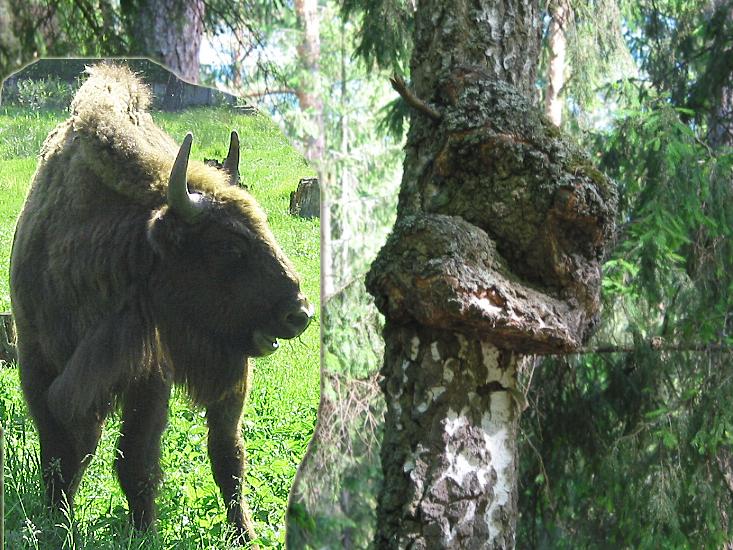 The birch with a bison's head
A burl on a birch shaped like the head of an old bison - one of the first stops on the cycling routes from the Museum of Nature and a favourite photo spot.
-
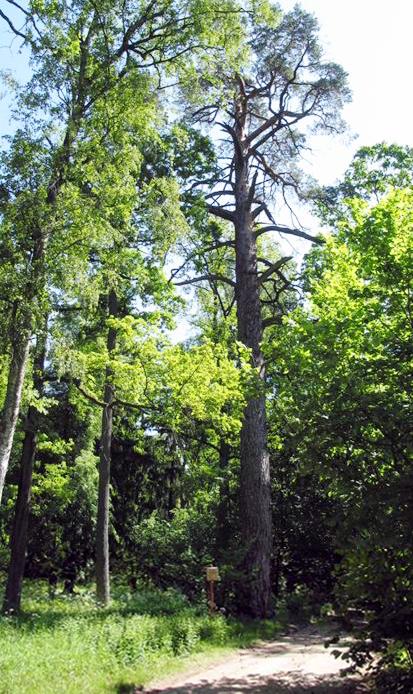 The giant pine
A pine more than 300 years old with a trunk over a metre thick on the Protected Oak Wood walking trail.
-
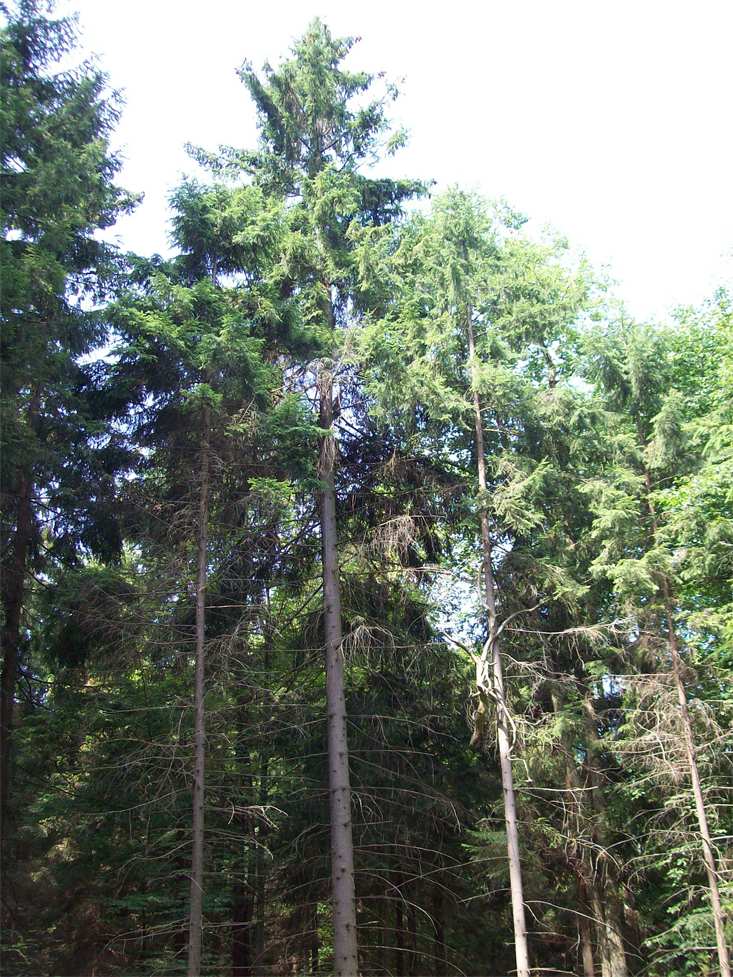 The giant spruce
A spruce more than 40 metres tall, over 200 years old and nearly 90 cm thick - a stop on the Tsar's Glade and Animal Crossing routes.
-
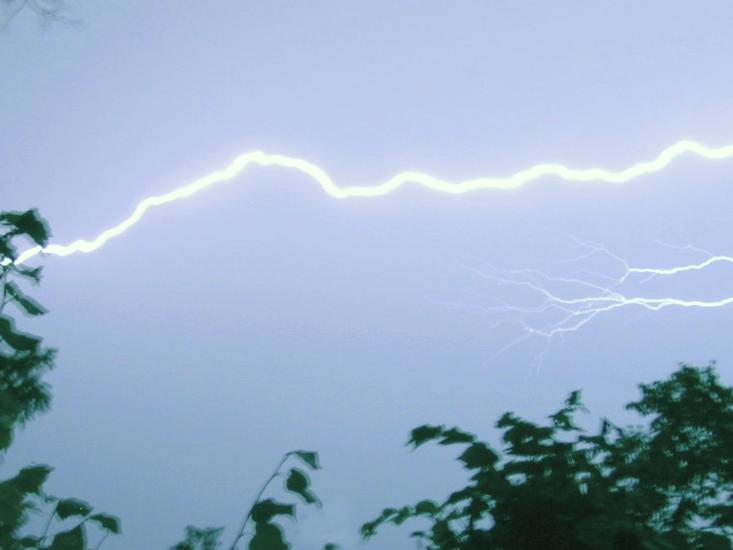 The oak that beat lightning
An old oak with a hollow burnt out by lightning that is still alive - a stop on the Animal Crossing route.
-
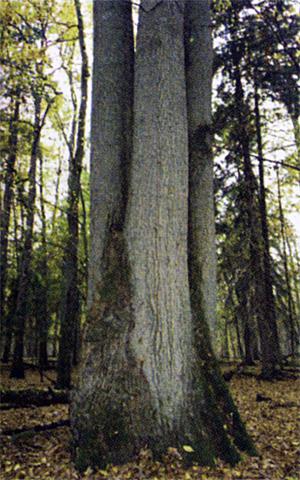 Triple-trunked sessile oak
A sessile oak with three equal trunks on the Protected Oak Wood trail: two rarities of the forest in one tree.
Tracts and bogs
-
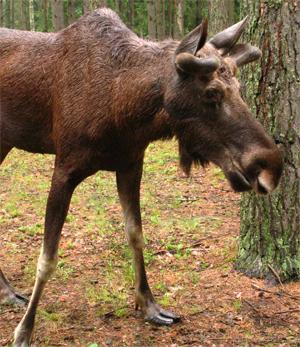 Animal crossing
A place where animals cross the road down a gentle slope into the cutting of an old narrow-gauge line: fresh tracks of roe deer, boar and deer every day.
-
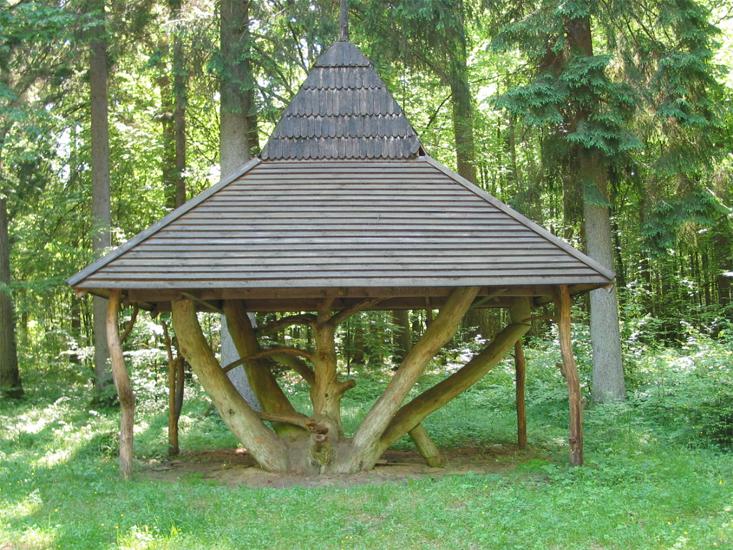 At the forest fork
A fork in the forest roads with an arbour on the site of a 19th-century forester's house: bird cherry and dog rose planted by people. On two cycling routes.
-
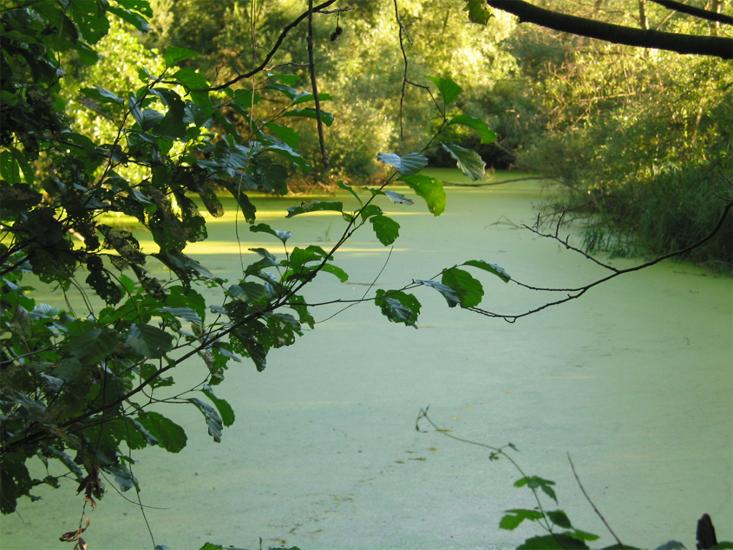 Forest pond
One of some fifty forest ponds dug in Soviet times as watering places for game and fire ponds. On the Animal Crossing route.
-
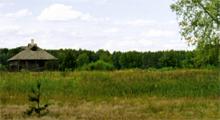 Lavy tract
A glade in the Lesnaya floodplain on the site of an old farmstead where 16th-century coins were found; the farm disappeared in the 1970s and a pond is here now.
-
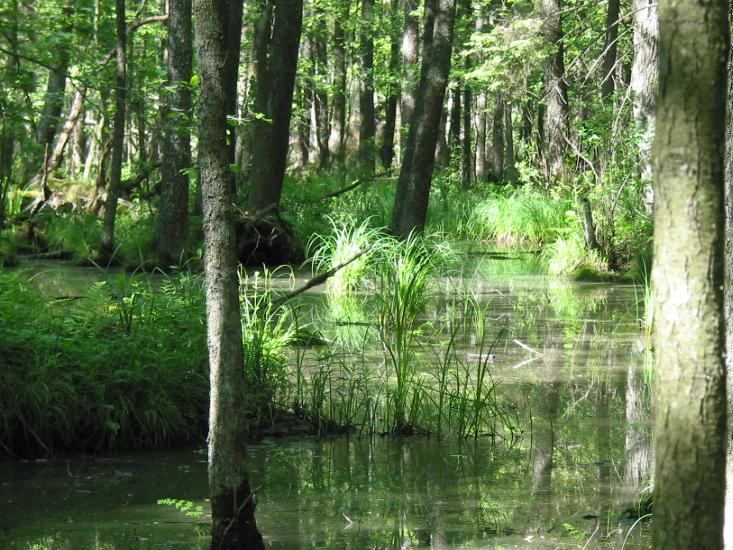 The Tatar Bog
A dried-up bog said to have sheltered a Tatar camp in the 13th century; in spring it is still impassable. A stop on three cycling routes.
-
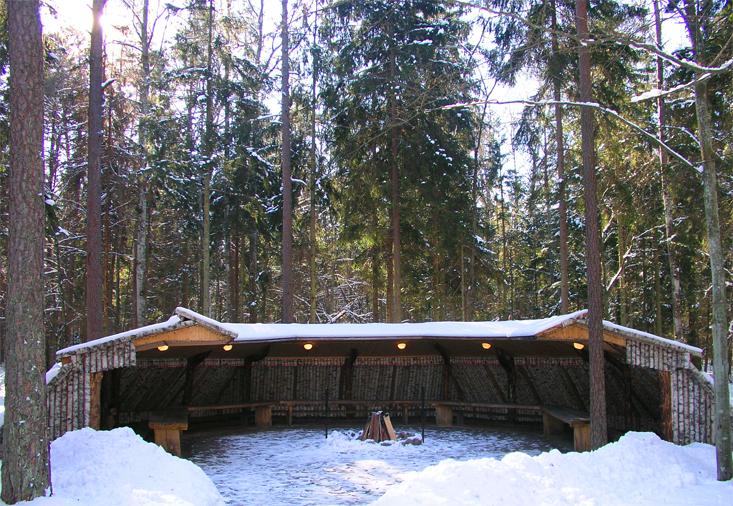 Tsar's Glade
A glade deep in the forest where hunting feasts were held and trophies laid out from the time of Stanisław August Poniatowski. On the Tsar's Glade route.
-
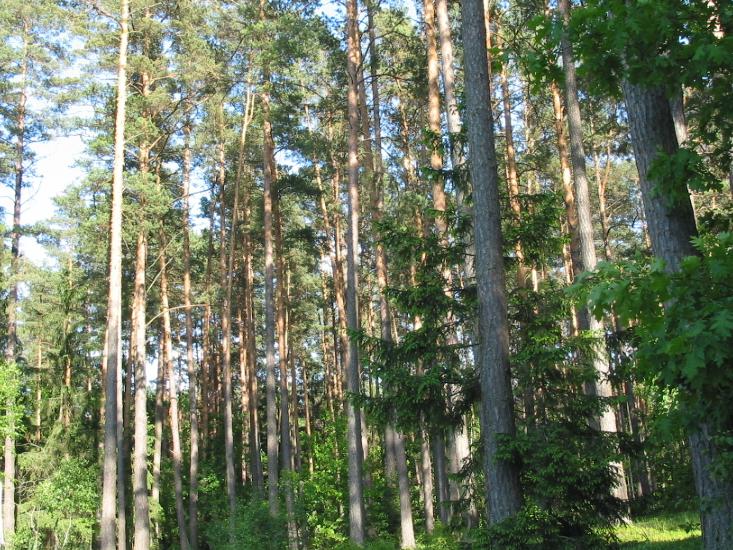 Turlyuy tract
A pine forest planted in the early 1930s on the site of a big fire after the First World War: on poor sand it still looks young.
-
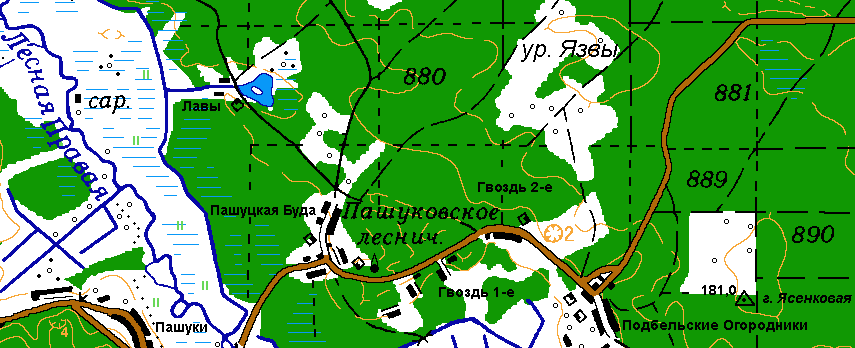 Yazvy tract
A large glade where stone axes of an ancient settlement were found - a favourite haunt of bison. The tract is mentioned in the Ordinance of 1641.
Rivers and lakes
-
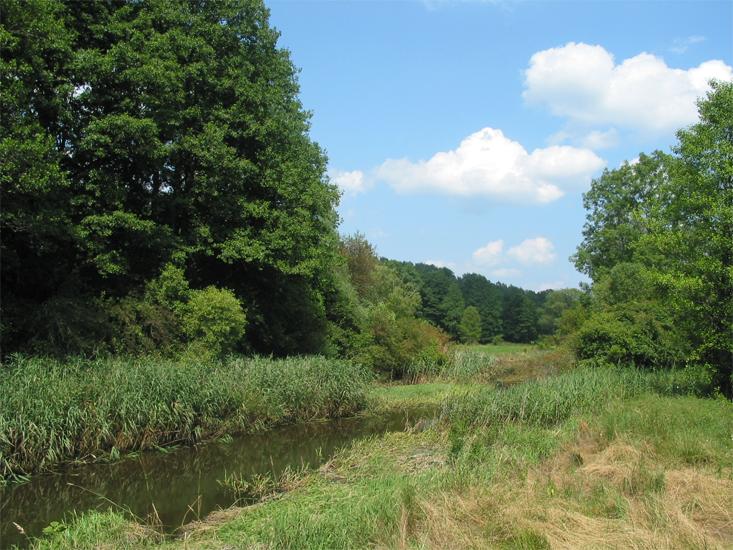 Belaya
The Belaya river - a right tributary of the Lesnaya Pravaya in Kamenets District, mentioned in Hryhory Wołłowicz's Survey of the forests of 1559.
-
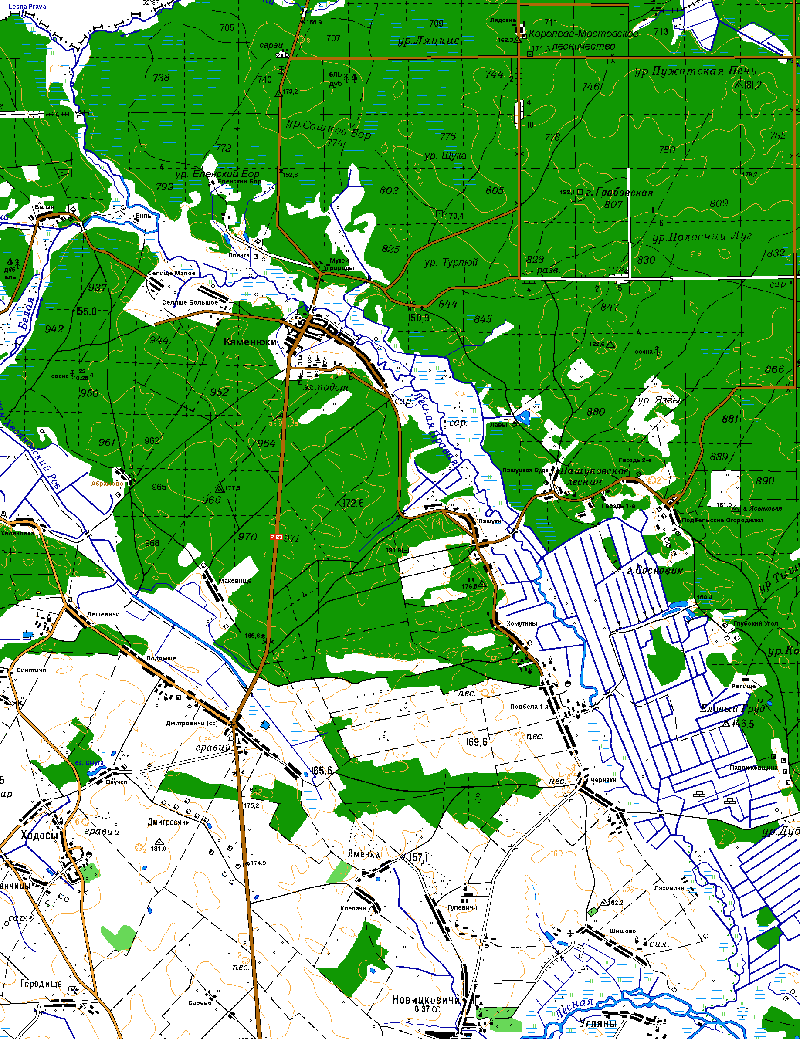 Lesnaya Pravaya
The Lesnaya Pravaya rises in Poland and flows through Kamenets District: floodplain birds near Kamenyuki, Pashuki and Chernaki, tributaries the Belaya and Perevoloka.
-
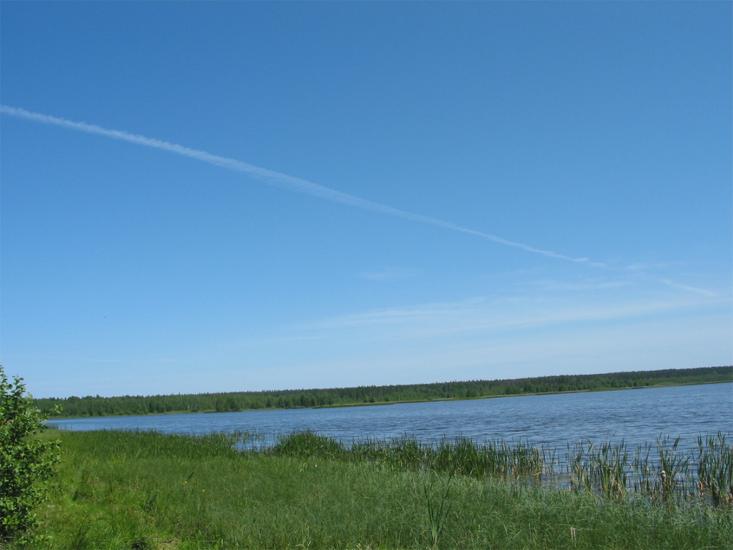 Lyadskoye Reservoir
The largest body of water in the forest: a reservoir on the Perevoloka created in the 1960s on former water meadows. Birds, fish and the view from the dam.
- Narew The Narew rises in the Dikoye bog, crosses the north of the forest and flows on into Poland; its main tributary in the forest is the Narewka.
-
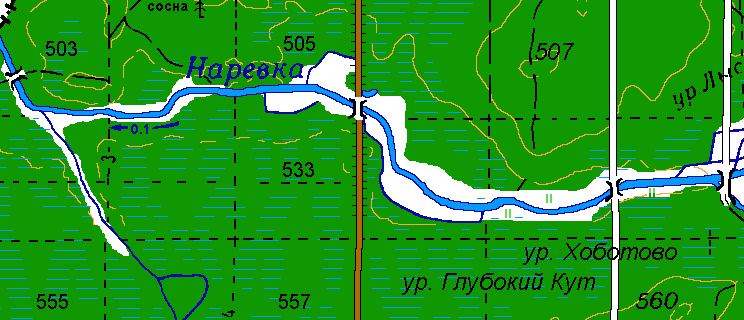 Narewka
The Narewka - a 61 km left tributary of the Narew that flows out of the bogs in the middle of the forest; timber was once floated down it.
-
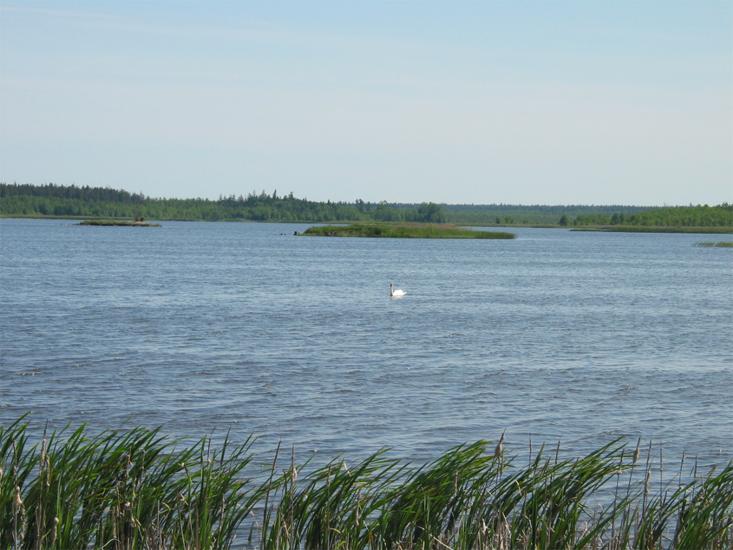 Perevoloka
The Perevoloka - a 24 km left tributary of the Lesnaya Pravaya; its upper course is called the Solomenka. The Lyadskoye reservoirs were built on it.
-
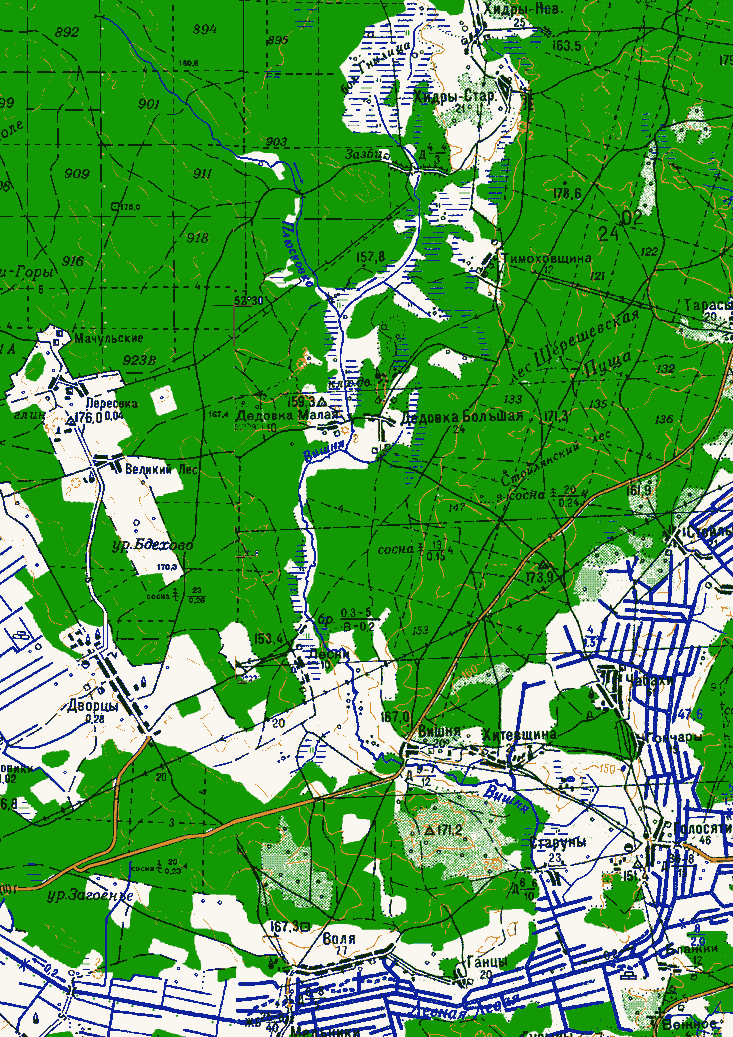 Vishnya
The Vishnya river - a right tributary of the Lesnaya Levaya in Pruzhany District, 20 km long; its upper course is called the Plyuskovka. Mentioned in the 1559 survey.
Traces of history
-
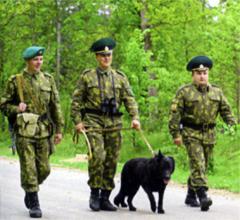 Border post
The border post named after G. I. Kofanov by the border that split the forest into Belarusian and Polish parts in 1944. On the Great Journey and Forest Secrets routes.
-
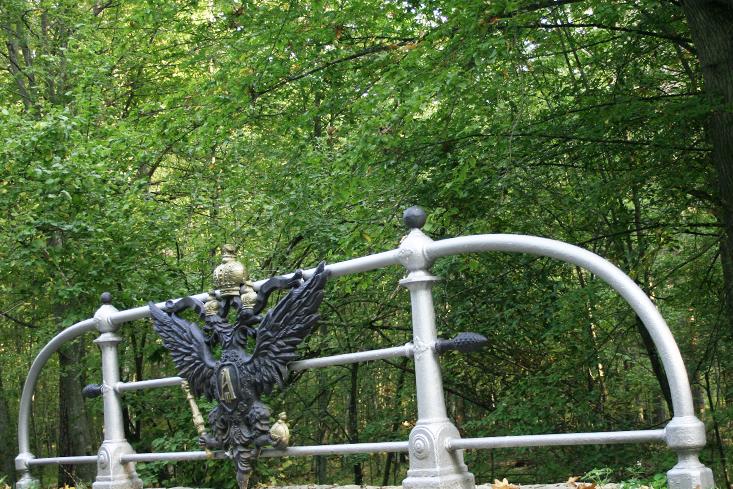 Bridges of the Tsar's Road
Early 20th-century bridges of the Tsar's Road with double-headed eagles, symbols of the empire: the eagles were knocked off in the 1920s and restored in our time.
- Falling Crosses A memorial to local people shot in August 1941: an obelisk of the 1960s and a memorial complex of 1980 by the road of the bus tour.
-
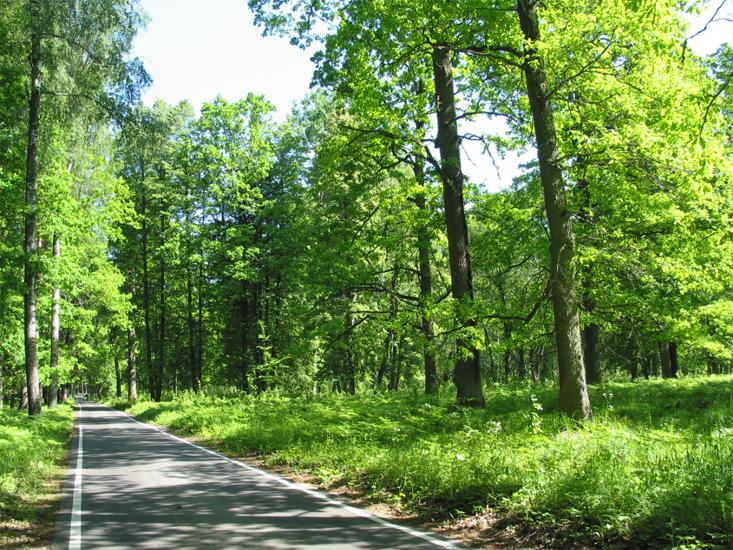 Former narrow-gauge railway
The embankment of a narrow-gauge railway built by the occupiers in 1915-1918: 325 km of track and 4.5 million cubic metres of timber taken out. A stop on four routes.
-
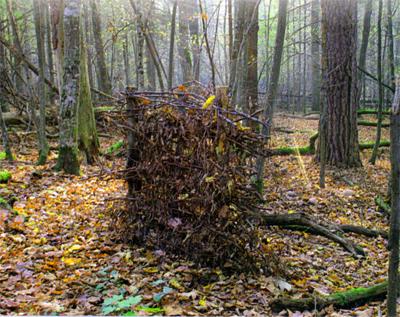 Hunting ride
A narrow ride for driven hunts with stands - hides for the shooters: an old hunting technique on the Protected Oak Wood trail.
-
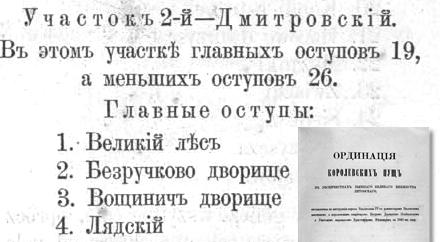 Lyadskiye village
An old forest village by the Lyadskoye Reservoir that grew from a farmstead; its name may come from "lyado", an old word for spruce forest.
-
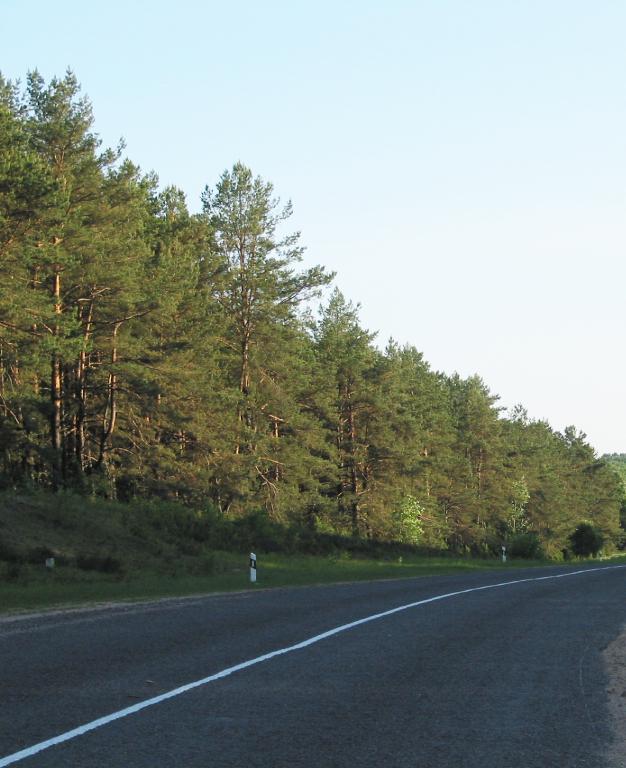 The Brest - Białowieża road
An old early 19th-century highway from Brest to Białowieża: under the asphalt lie the cobbles once travelled by stagecoaches and carriages.
- Tsar's Road A road opened in 1903, built for the tsars to reach the hunting palace in Białowieża and as a military road. Bridges with double-headed eagles.
-
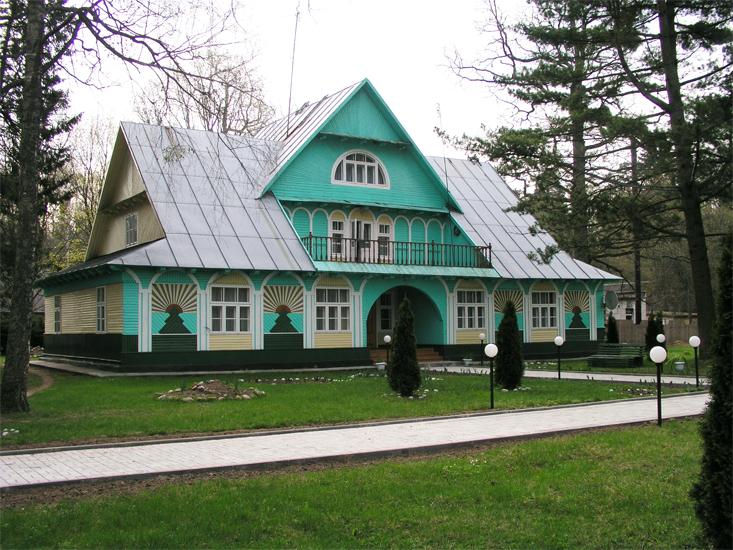 Tyszkiewicz manor
The estate of the Polish general and senator Tadeusz Tyszkiewicz in the Svisloch forestry: a three-storey wooden house of 1936 and a park with red oak and Weymouth pine.
For visitors
-
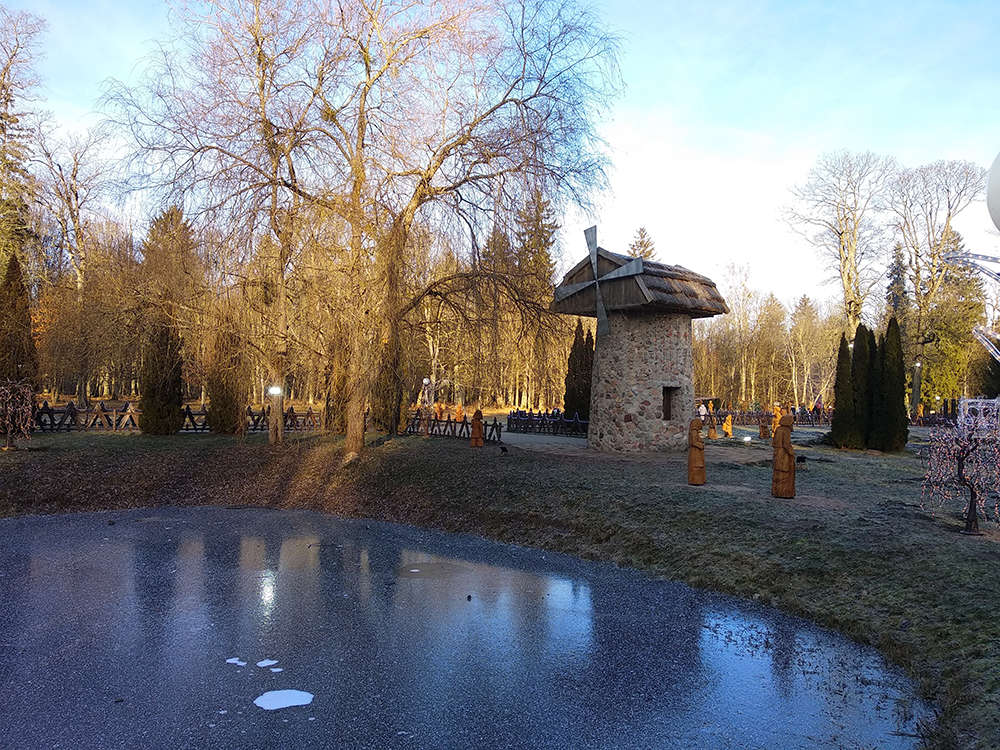 Father Frost's Estate
The residence of the Belarusian Father Frost in the forest since December 2003: almost 15 hectares of fairy-tale buildings, a living spruce, a mill and a pond.
-
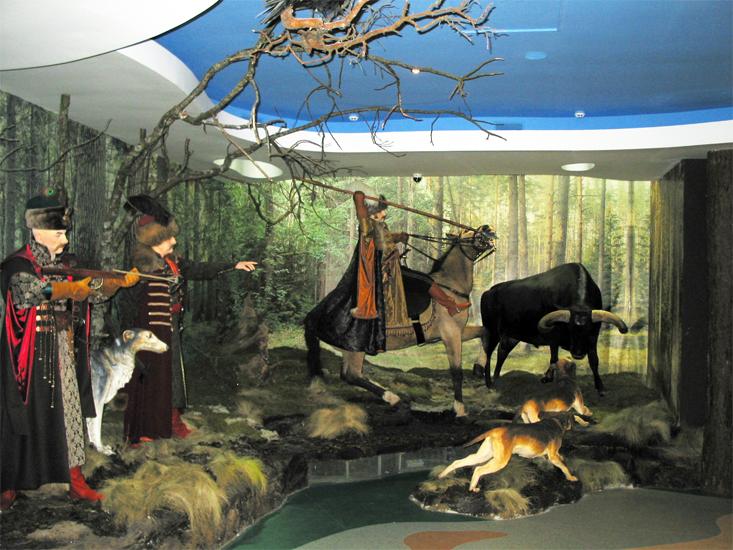 Museum of Nature
The Museum of Nature in Kamenyuki - an exhibition on the history of the forest and how people used it, from ancient settlements to the present. The trails start here.
-
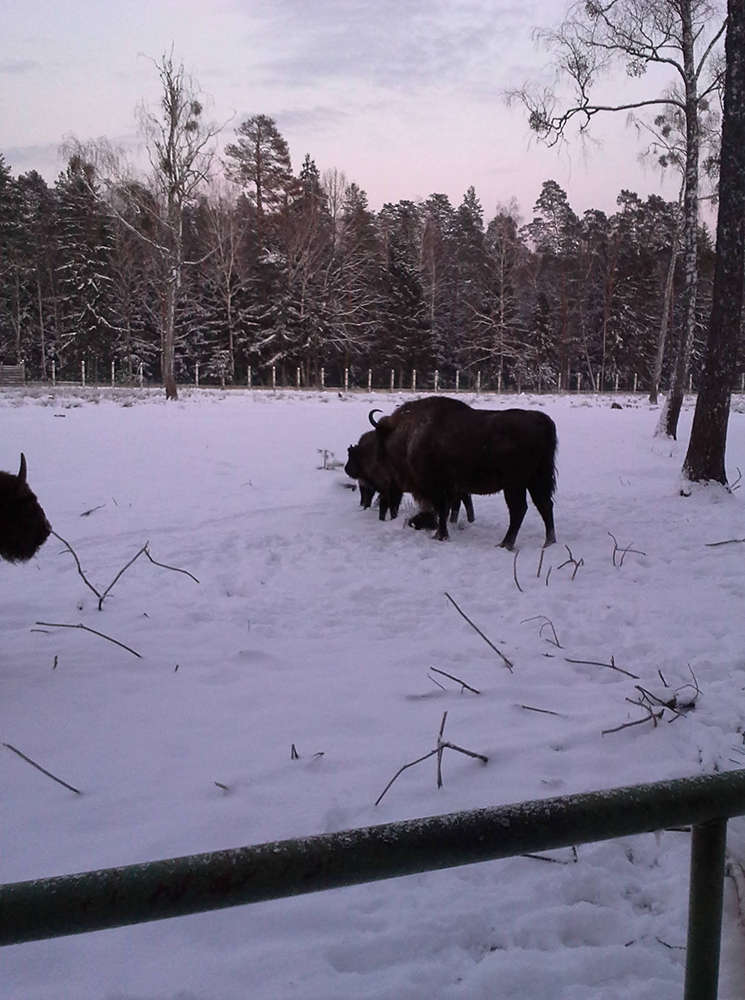 Wildlife enclosures
Enclosures by the Museum of Nature covering about 20 hectares: bison, deer, elk, wild boar, wolves, lynx and other animals of the forest up close. The first menagerie here dates from 1841.